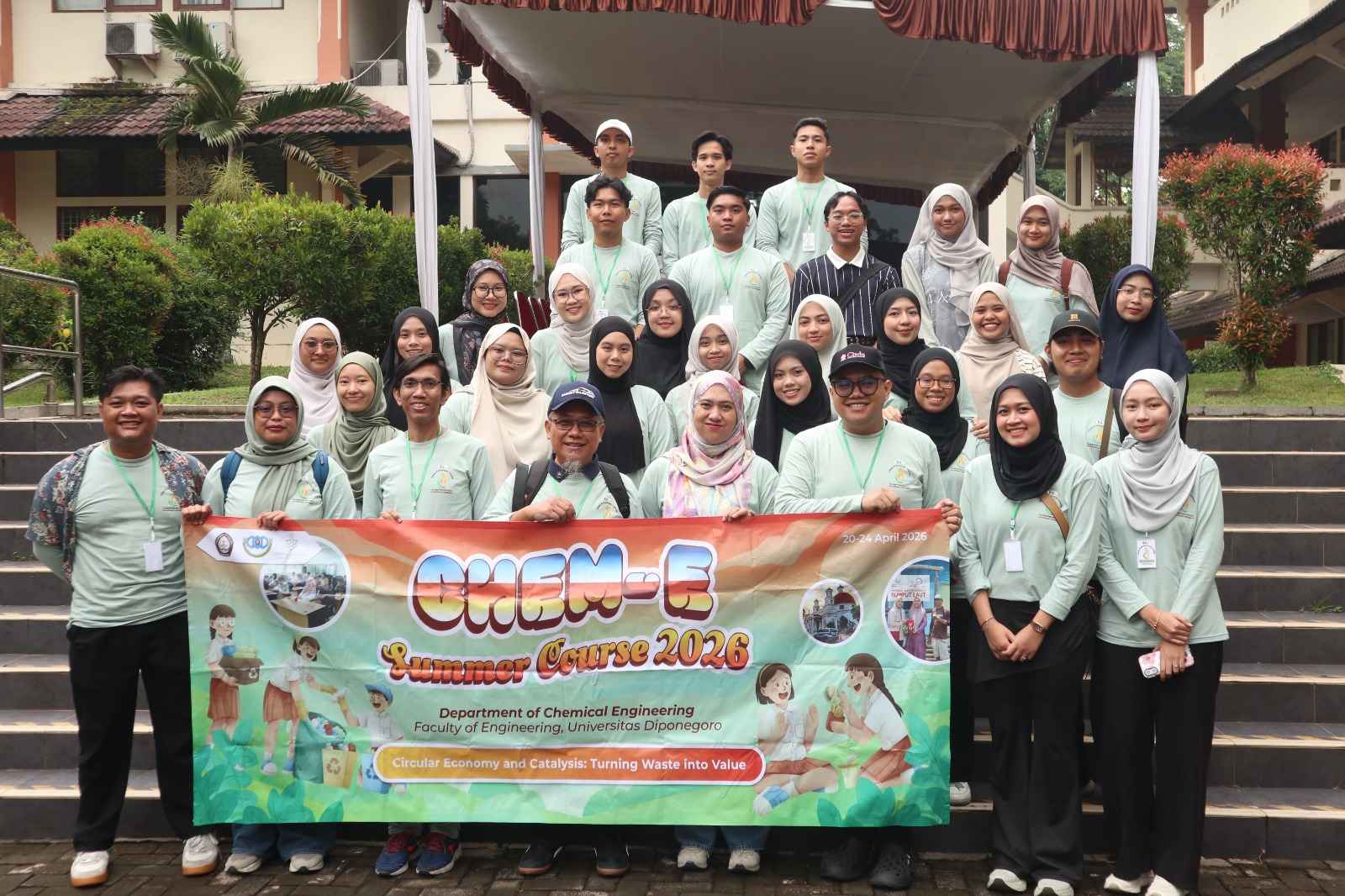
The Department of Chemical Engineering, Universitas Diponegoro, successfully organized the CHEM-E Summer Course 2026, an international academic program designed to foster knowledge exchange, cultural understanding, and collaboration in the field of sustainable technology. Conducted over five days, the program brought together participants from diverse backgrounds through a series of academic, industrial, cultural, and community-based activities.
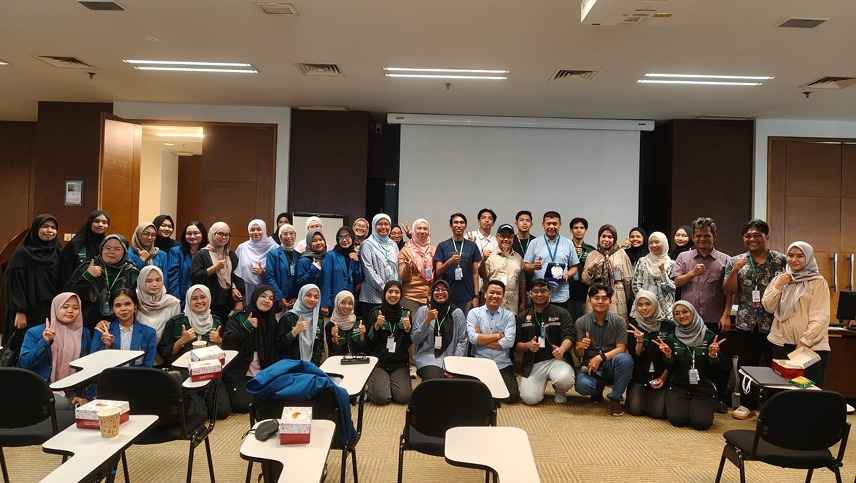
The program commenced with an Opening Ceremony, followed by academic sessions discussing the Sustainable Development Goals (SDGs) and biomass valorization. These sessions provided participants with insights into contemporary sustainability challenges and the potential of bio-based innovations in supporting a circular and low-carbon future. To complement the academic experience, participants also explored the historical and cultural heritage of Semarang through a visit to Kota Lama.
On the following day, participants attended lectures on waste-to-fuel technologies and catalytic pyrolysis, gaining a deeper understanding of advanced waste conversion processes and their role in sustainable energy production. The learning experience was further enriched through a field visit to the Pyrolysis Unit at TPST Universitas Diponegoro, where participants observed the practical implementation of thermochemical technologies for waste management and energy recovery.
The program continued with a visit to Api Abadi Mrapen in Grobogan, allowing participants to learn about one of Indonesia’s unique natural energy phenomena and its cultural significance. Participants also took part in an industrial visit to PT Djarum Oasis in Kudus, where they gained firsthand insights into industrial practices related to biomass utilization, resource efficiency, and sustainable production systems.
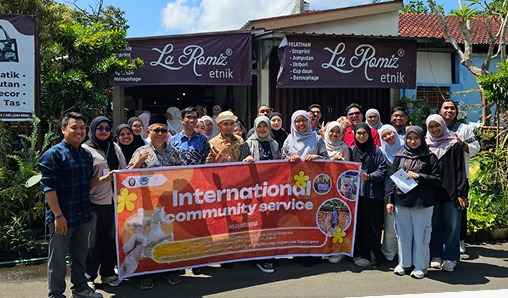
As part of its commitment to community engagement and sustainability, CHEM-E Summer Course 2026 included an international community service activity at La Romiz Ecoprint. Through this activity, participants were introduced to environmentally friendly production methods and community-based entrepreneurship initiatives that promote sustainable economic development.
The program concluded with a Closing Ceremony, marking the successful completion of a meaningful journey of learning and collaboration. Through the integration of academic enrichment, industrial exposure, cultural immersion, and community engagement, CHEM-E Summer Course 2026 provided participants with valuable experiences that strengthened their understanding of sustainability while fostering international perspectives and cross-cultural connections.
The Department of Chemical Engineering, Universitas Diponegoro, extends its sincere appreciation to all participants, speakers, industry partners, and organizing committee members whose contributions ensured the success of the program. It is hoped that the knowledge, experiences, and networks established throughout the summer course will inspire future collaborations and innovations toward a more sustainable future.